I have spent many years of my life in Costa Rica. Growing up, my family and I would visit every year of my life. From as early as I can remember I have been in love with the area. As I grew older, my passion and curiosity intensified. I wanted to know more about this amazing place that I consider my second home. See, the areas of Manuel Antonio and Quepos are so interconnected it is easy to view them as one place, but they are in fact not. Over the years, the road between Quepos and Manuel Antonio has filled with hotels, restaurants, and small neighborhoods, slowly blending the two into what feels like one continuous destination, even though Quepos remains the center of local life while Manuel Antonio draws most of the tourists. I learned that what is not the town of Quepos was originally inhabited by the Quepoa people, thus deeming the area around “Quepos.” As time went on and Spanish encounters occurred, the area shifted dramatically, eventually becoming a hub for banana production in the early 1900s. When the banana industry declined due to disease and natural disasters, the community slowly turned to other crops like palm oil before ultimately embracing tourism, which has since grown to define the region of Manuel Antonio and bring visitors from all over the world. The tourism industry in the Manuel Antonio area took off and continues to thrive because of the beautiful environment, friendly people, and beautiful way of life. The beautiful beaches, national park, rich culture continues to bring people to the Manuel Antonio area
One of my favorite views in the world!
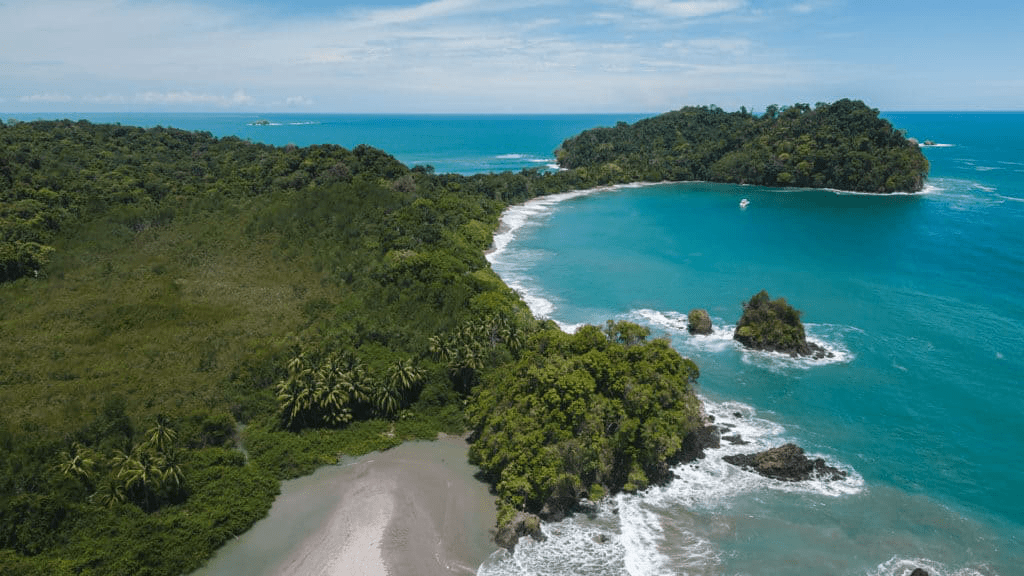
Costa Rica is in Central America, between Nicaragua to the north and Panama to the south, with the Pacific Ocean on one side and the Caribbean Sea on the other. On its central Pacific coast you will finds the small town of Quepos, known as the gateway to Manuel Antonio National Park. Manuel Antonio is famous for its lush rainforest, white-sand beaches, and incredible wildlife. It is one of the most stunning coastal spots in the country. The towns are so close and interconnected, they might as well be in one place. The only difference is Quepos is a more local area while Manuel Antonio is still local, but the beaches draw in tourists stay in villas in hotels in Manuel Antonio.

This is a photo I took of my brother walking through the streets on Manuel Antonio:
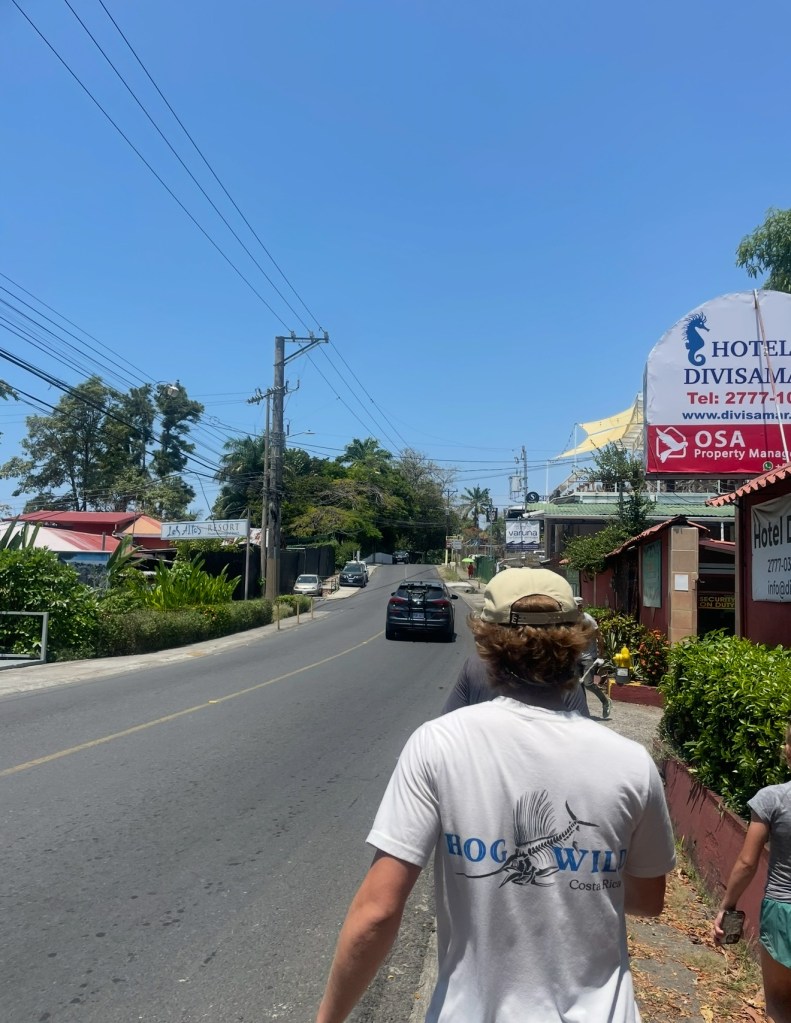
Quepos and Manuel Antonio are so closely connected that it’s easy to think of them as one, but they’re actually very different in character and feel. Manuel Antonio is known for its stunning beaches and lush national park— it’s the place people come to experience Costa Rica’s natural beauty. But if you go into town, Quepos, on the other hand, is the heartbeat of local life. It’s a working town with fishing boats in the marina, bustling markets, and small restaurants where neighbors gather to catch up over a plate of gallo pinto or fresh ceviche. While Manuel Antonio thrives on tourism, Quepos feels more authentic and rooted, a place where you see the daily rhythm of the community.
Discussing LAC in class makes me think back to my times in Costa Rica. The reading “People and Places in the Americas” by Richard L. Kagan talks a lot about how Latin American countries find a balance between keeping their own traditions and adapting to outside influences, and I see that firsthand there. In Quepos, locals still fish and run small family restaurants, but you also notice the growing pull of tourism. Just a few minutes away in Manuel Antonio, the national park protects incredible wildlife and forests, but it’s also full of visitors from all over the world. Being there has showed me how Costa Rica manages to stay true to its roots while still welcoming change, which connects a lot to what we’ve been learning in LAC.
Quepos is one of those places that just feels alive. The marina buzzes with people laughing eating fresh seafood, with a view of all the fishing boats and charters. On weekends, the farmers’ market turns into a mini festival. There’s music playing, locals selling tropical fruit and handmade crafts, everyone in town is chatting because everyone knows each other. The mix of Costa Rican, Afro-Caribbean, and Spanish influences gives the town a warm energy and every moment spent in the town feels like a cultural embrace.
An elementary school in Quepos:
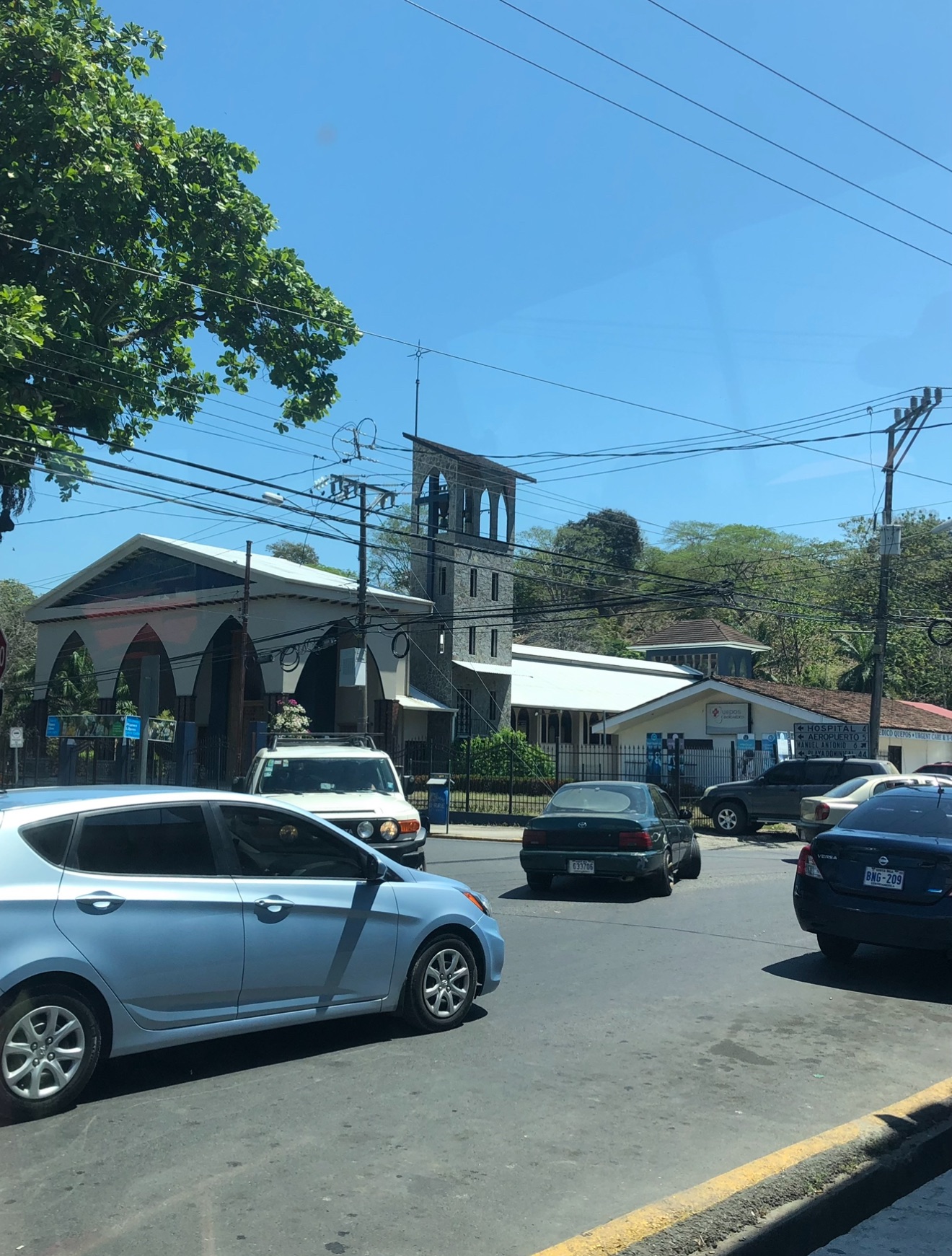
After my dad graduated college, he spent a year living there with a host family. They became incredibly close, and even after he returned to the U.S., they stayed a big part of our lives. Because of them, I grew up with a deep connection to Quepos and its people. Just this past January, I celebrated my birthday with them, surrounded by friends and family who feel like my own.
The town of Quepos is a truly rural Latin- American town that makes you feel immersed in the history and culture of LAC.
Manuel Antonio and Quepos may be closely connected, but each has its own unique identity and charm. Manuel Antonio draws visitors with its stunning beaches and natural beauty, while Quepos offers the heart and culture of local life. Together, they create a place that feels like home to me—rich in history, community, and unforgettable experiences.
Works Cited
“Cultural History.” Manuel Antonio Park Online Services, http://www.manuelantonioparkonlineservices.com/cultural-history. Accessed 10 Sept. 2025.
“Quepos & Manuel Antonio.” CostaRica.com, http://www.costarica.com/quepos-%26-manuel-antonio. Accessed 10 Sept. 2025.
 <em>Traveling Through Manuel Antonio: My Costa Rica Experience"</em><br><br><br>